
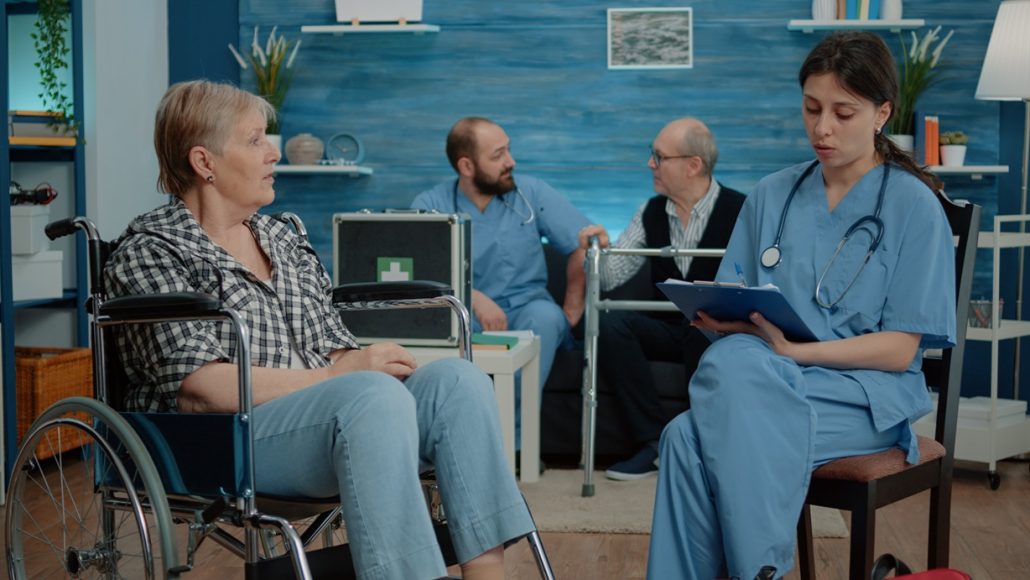
The Nurse Practitioner Specialty Being Built Around the Healthcare System’s Fastest Growing Patient Population
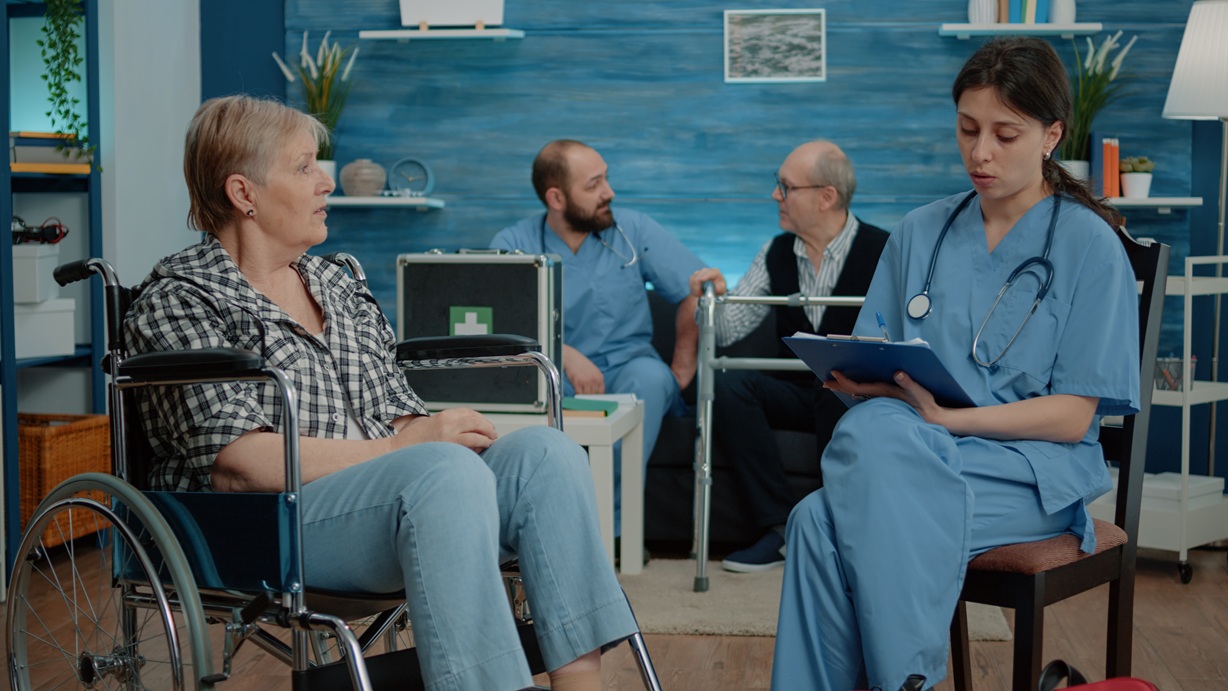
We are currently witnessing the most significant demographic shift in modern history. The global population is aging at an unprecedented rate, and the healthcare systems that were designed in the mid-20th century are struggling to keep pace. As life expectancies climb, our clinics and hospitals are being flooded with a patient population defined by chronic complexity, polypharmacy, and the delicate intersection of physical and cognitive health.
In response to this silent, tectonic shift, a new breed of clinician has emerged. The Adult-Gerontology Primary Care Nurse Practitioners (AGPCNPs) is no longer a peripheral specialist; they are the architects of a transformed healthcare model, specifically designed to address the unique, multifaceted needs of an aging society. The following are some ways in which this role is aiding the healthcare system.
The Myth of “Normal Aging”
For decades, the healthcare system treated the elderly through the lens of acute episodic care—treating a fracture, stabilizing a heart condition, or managing an infection. However, the fastest-growing patient population requires a paradigm shift from “fixing” to “sustaining.”
The Gerontological Nurse Practitioner operates on the understanding that aging is not a disease, but a complex biological process that requires a holistic approach. Unlike specialists who focus on a single organ system, the GNP specializes in the whole person. They manage the “geriatric syndromes”—falls, frailty, incontinence, and cognitive impairment—that often fall through the cracks of traditional, siloed medicine. By focusing on functional status rather than just diagnostic labels, GNPs are redefining what it means to live well into one’s eighties and nineties.
Bridging the Gap in Chronic Complexity
The primary challenge of modern geriatrics is not the presence of a single illness, but the burden of “multimorbidity.” It is common for a geriatric patient to be managed by a cardiologist, a nephrologist, an endocrinologist, and a neurologist simultaneously. Without a central hub, these patients are often caught in a web of conflicting medication orders and fragmented care plans.
The GNP acts as the ultimate clinical navigator. Because their training is rooted in the nursing model—which emphasizes patient education, health promotion, and the social determinants of health, they are uniquely positioned to harmonize the care provided by multiple specialists. They identify the “polypharmacy cascade,” where one medication is prescribed to treat the side effect of another, and they advocate for the patient’s goals of care. In a system that often prioritizes aggressive intervention, the GNP provides the wisdom to ask: “Does this procedure align with the patient’s quality of life?”
The Shift to Value-Based, Proactive Care
The rise of the Gerontological Nurse Practitioner is also a direct reaction to the financial and structural pressures on the healthcare system. As payers move away from a “fee-for-service” model toward “value-based care,” the clinical focus has shifted toward keeping patients out of the hospital.
GNPs are masters of the home-based care model. By meeting patients where they live, GNPs can assess environmental hazards that lead to falls, observe nutritional deficits in real-time, and detect early signs of depression or caregiver burnout. Proactive, preventative intervention by a GNP can prevent a minor urinary tract infection from turning into a life-threatening episode of delirium and a costly hospital admission.
In this sense, the GNP is not just a clinician; they are a vital component of a sustainable economic future for healthcare.
Addressing the Cognitive Frontier
Perhaps the most critical role of the Gerontological Nurse Practitioner is in the management of neurocognitive disorders. As dementia and Alzheimer’s disease become more prevalent, the demand for clinicians who are skilled in neurological assessment, behavioral management, and family support has skyrocketed.
The GNP provides a unique level of support for families navigating the grief and logistical nightmare of cognitive decline. They translate complex medical information into actionable plans for caregivers, helping to manage behaviors that might otherwise lead to institutionalization. By empowering family caregivers with knowledge and resources, GNPs help patients remain in their homes, surrounded by familiar faces and places, for as long as possible.
The Future of the Profession
The specialty of the Gerontological Nurse Practitioner is the front line of the 21st-century healthcare revolution. As we face a future where the number of individuals over 85 is projected to triple, the value of clinicians who prioritize dignity, functional independence, and personalized care cannot be overstated.
However, the growth of this specialty must be matched by a commitment from healthcare leaders. We need to integrate GNPs into leadership positions within hospital systems, long-term care facilities, and policy-making bodies. We must ensure that medical school and nursing curricula emphasize the nuances of gerontology, so that all providers possess a baseline competency in the care of the elderly.
As we look at the fastest-growing patient population in the world, we can take comfort in knowing that the GNP is there—not just to treat the patient, but to honor the journey of aging itself.



Leave a Reply
Want to join the discussion?Feel free to contribute!