
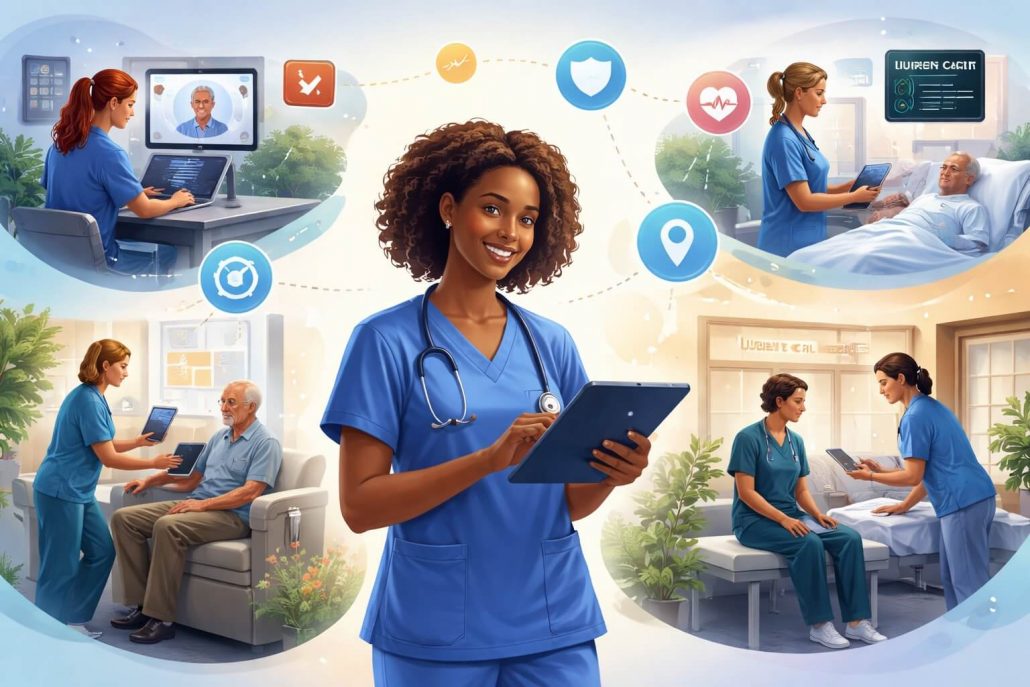
How Nurses Protect Patient Safety Across Decentralized Care Environments
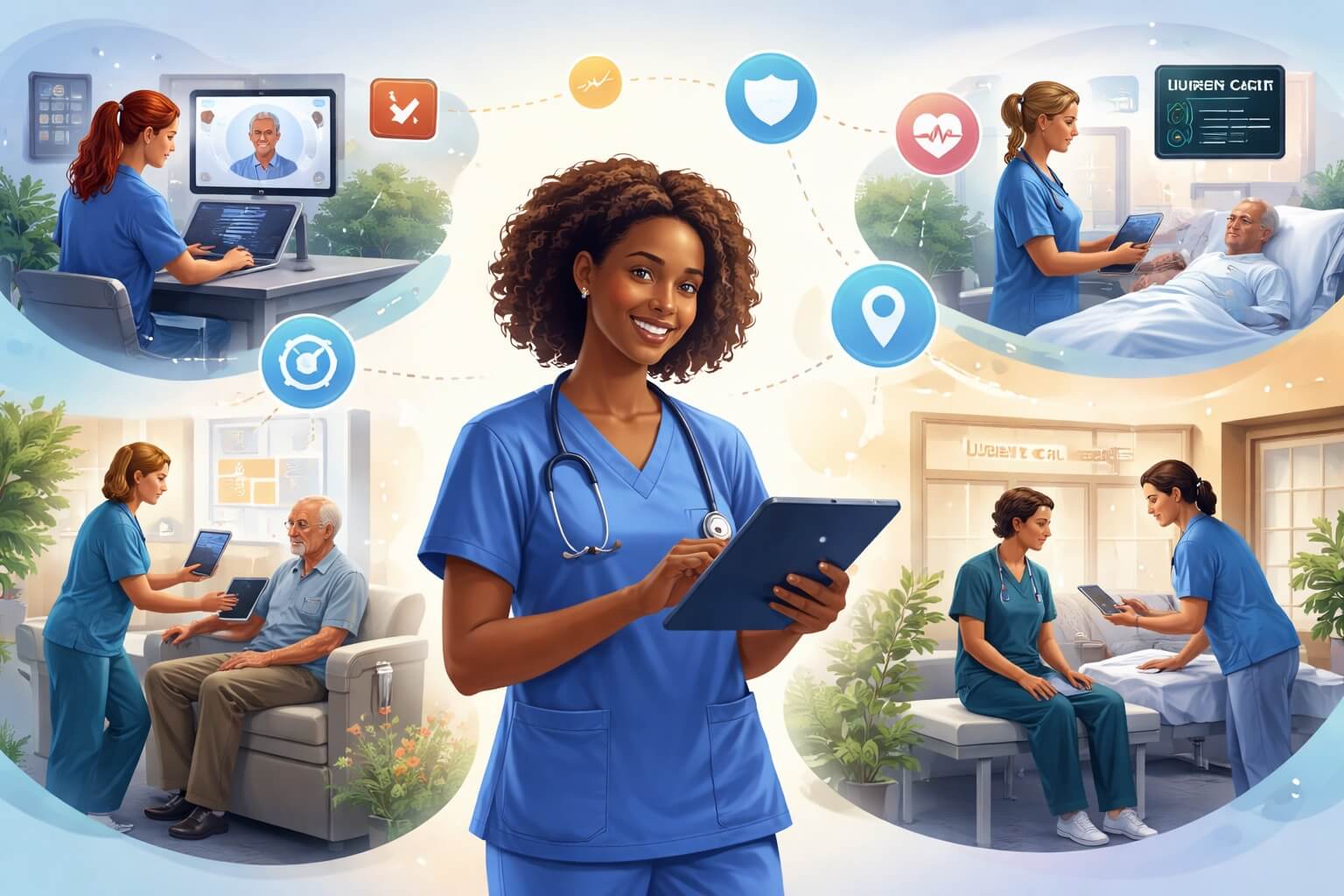
Healthcare is no longer confined to the traditional hospital setting. In fact there are plenty of nursing positions outside of hospital settings. From home health visits to telemedicine, community clinics, urgent care centers, and mobile health units, patients now receive care in a variety of decentralized environments.
While these diverse settings expand access and convenience, they also introduce new complexities in maintaining patient safety. Nurses—often the first point of clinical contact in these environments—play a pivotal role in ensuring that quality and safety standards are upheld, regardless of where care is delivered.
Here are some of the ways in which nurses protect patient safety across decentralized care environments.
Understanding Decentralized Care
Decentralized care refers to the distribution of healthcare services away from centralized hospitals or large medical facilities, bringing care closer to the patient’s home or community. Examples include:
- Telehealth consultations
- Community-based clinics
- Home health services
- Urgent care and retail clinics
- Mobile outreach programs
While decentralization improves accessibility, it can challenge continuity of care, standardization of protocols, and immediate access to specialized resources. Nurses must adapt to these variables and apply their clinical expertise in environments that may lack the infrastructure of a hospital.
Across all care settings, nurses serve as critical safety anchors. Their responsibilities stretch beyond clinical interventions to include patient education, care coordination, early detection of complications, and advocacy. In decentralized care, these roles become even more pronounced because nurses often operate with greater autonomy, sometimes as the sole on-site healthcare professional.
Key Strategies Nurses Use
1. Vigilant Assessment and Early Intervention
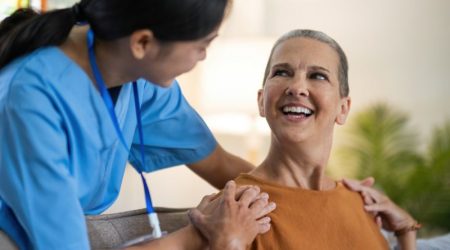
Nurses are trained to detect subtle changes in a patient’s condition. In decentralized settings—where advanced monitoring equipment may be limited—this skill is vital. For example, during a home health visit, a nurse may observe fatigue, shortness of breath, or changes in skin color that indicate early-stage complications. Prompt recognition allows for timely escalation to higher levels of care, preventing deterioration.
In environments where immediate specialist consultation isn’t available, a nurse’s clinical judgment can be the deciding factor between a manageable situation and an emergency.
2. Standardizing Protocols
Variation in equipment, staffing, and environmental conditions can lead to inconsistent care. Nurses mitigate these risks by applying evidence-based protocols consistently, whether they are in a hospital satellite clinic or a rural patient’s living room.
For instance, infection control practices—such as proper hand hygiene and safe disposal of sharps—remain non-negotiable across all environments. By adhering to standardized safety checks and procedures, nurses create a reliable framework that patients and families can depend on.
3. Accurate Communication and Documentation
Decentralized care often involves multiple providers across different organizations. This can lead to communication gaps that endanger patient safety. Nurses address this by taking meticulous notes, updating electronic health records promptly, and using secure communication channels to relay critical information to the care team. Structured handoff tools help ensure that essential information is not lost during transitions between providers.
4. Patient and Caregiver Education
In decentralized environments, patients and families frequently assume a greater role in daily care. Nurses empower them with the knowledge and skills needed to manage chronic conditions, recognize warning signs, and adhere to treatment plans.
For example, a nurse providing home-based post-operative care might teach a patient how to monitor a surgical wound, recognize infection, and maintain mobility safely. This education not only prevents complications but also builds patient confidence and engagement in their own health.
Challenges and How Nurses Overcome Them
Limited Resources
In decentralized environments, nurses may not have immediate access to laboratory testing, advanced imaging, or rapid-response teams. They adapt by honing triage skills, using point-of-care testing, and establishing clear escalation pathways.
Geographic and Connectivity Barriers
In rural or underserved areas, transportation and internet connectivity can be major obstacles. Nurses often serve as creative problem-solvers—arranging community volunteer transport, coordinating mobile health vans, or using offline-capable health apps.
Role Expansion
Decentralized care often requires nurses to work at the top of their license, taking on tasks that might typically be distributed among several hospital staff members. This demands continuous professional development and a readiness to adapt to evolving clinical responsibilities.
Nursing in Decentralized Care
As healthcare continues to move toward patient-centered, community-based models, the role of nurses will only grow in importance. Their ability to blend clinical expertise, adaptability, and interpersonal skills makes them uniquely equipped to safeguard patient safety in any environment. Investment in nurse training, mobile health technologies, and interprofessional communication systems will further strengthen their capacity to deliver safe, high-quality care wherever patients are.
Conclusion
Decentralized care environments present both opportunities and challenges for patient safety. Nurses stand at the front line of this evolving landscape, ensuring that safety protocols, patient education, and vigilant monitoring remain uncompromised. Whether in a patient’s living room, a bustling community clinic, or through a video screen, nurses are the constant presence safeguarding health outcomes.



Leave a Reply
Want to join the discussion?Feel free to contribute!