
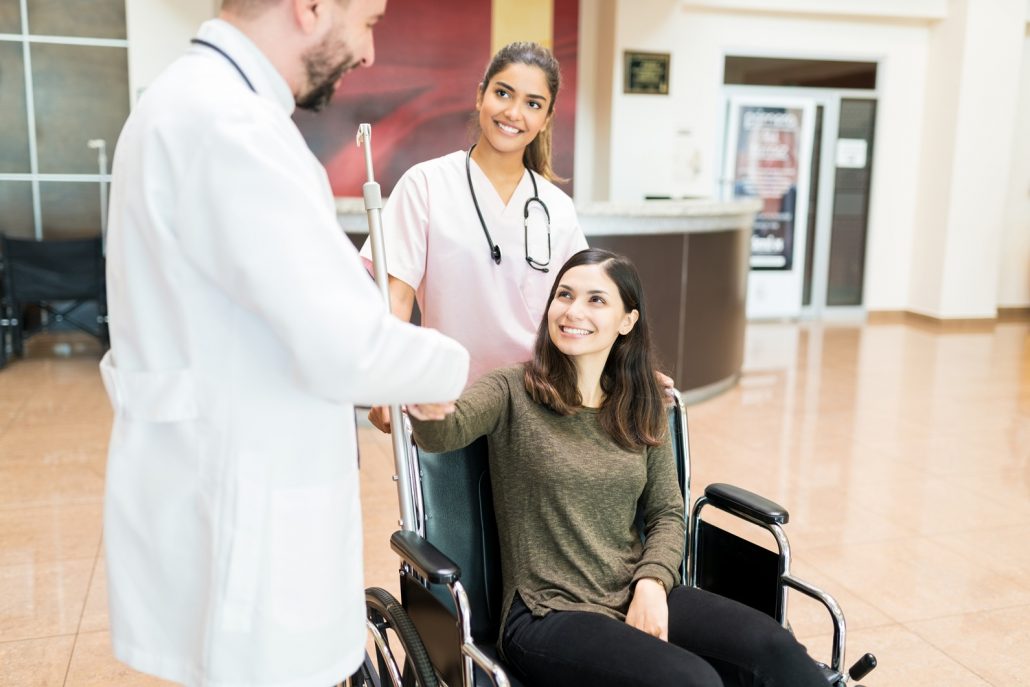
How Home-Environment Data Can Improve Post-Discharge Outcomes
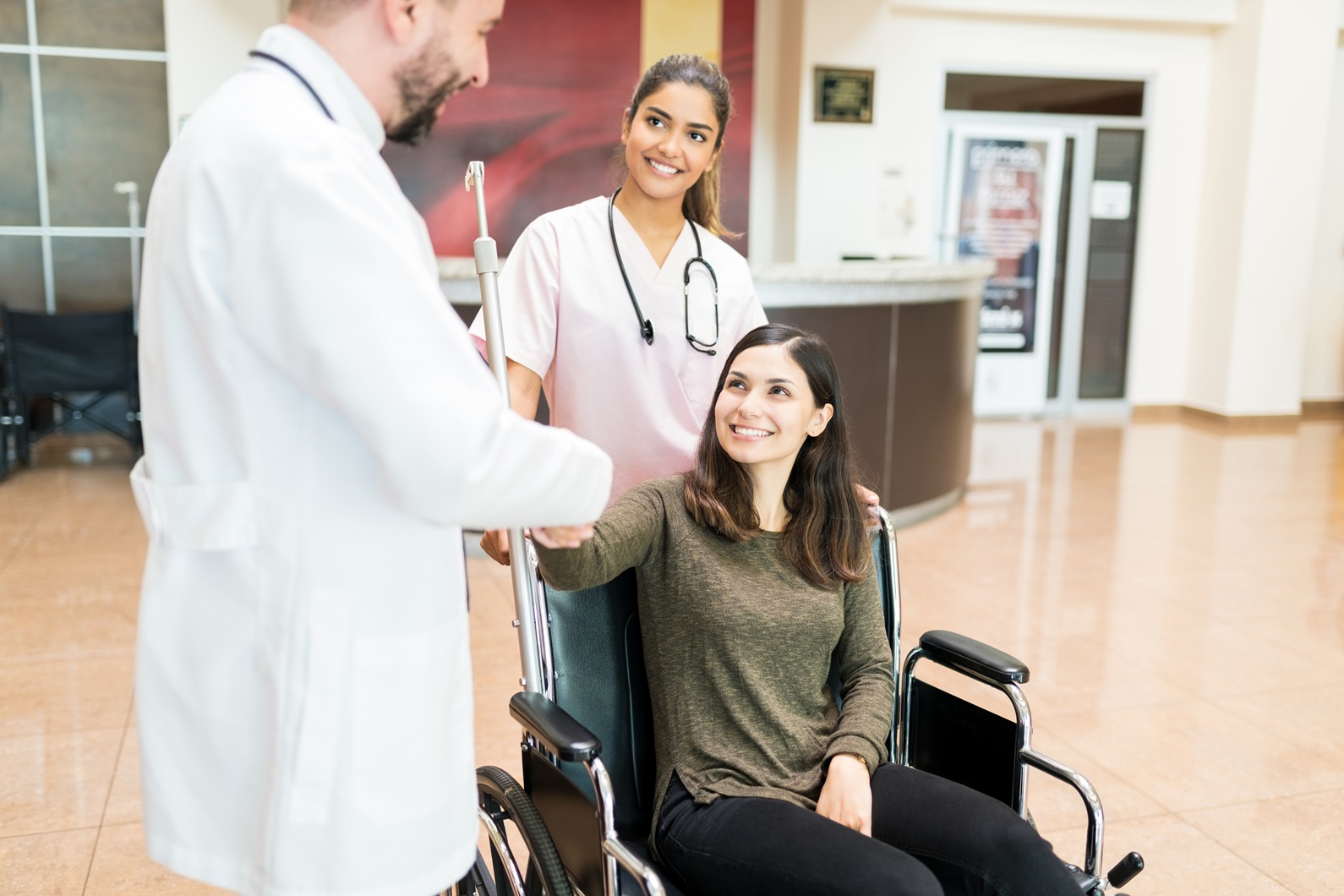
Hospitals discharge people every day who are still medically fragile, overwhelmed, and trying to manage care plans in homes that may not be set up for recovery. Vital context is often missing: Are there stairs? Is the patient alone most of the day? Can they read their pill bottles? Without that information, even excellent discharge summaries and follow-up calls fall short, and preventable hospital readmissions follow.
Home-environment data fills that gap. When clinicians can see real information from the home—vital signs, mobility patterns, safety risks, and caregiver involvement—they can spot trouble early, tailor support, and keep more patients safely at home after a hospital stay.
Understanding Home-Environment Data Collection Methods
In-Home Assessments and Safety Evaluations
In-person home visits are still the clearest window into a patient’s daily reality. Nurses, therapists, or home care workers can identify fall risks (loose rugs, poor lighting, steep stairs), check access to food and medications, and confirm whether a caregiver is actually available.
A structured safety evaluation might cover:
- Fall risk and bathroom accessibility
- Transfer techniques and mobility aids
- Medication organization and storage
A Brooklyn home care agency might, for example, schedule a visit within 24–72 hours of discharge, document hazards, and trigger follow-up from PT, OT, or social work based on what they see.
Remote Patient Monitoring (RPM) Technology
RPM extends the clinical reach between visits. Connected devices send data such as weight, blood pressure, O₂ saturation, or glucose from the home to a dashboard where nurses can quickly see who needs attention.
Modern remote patient monitoring solutions can:
- Stratify patients by risk
- Flag abnormal trends
- Prompt rapid outreach or telehealth visits
For heart failure or COPD, daily weights and oxygen readings offer an early warning long before a patient arrives in the ED short of breath.
Sensors and Wearable Devices
Passive sensors and wearables capture how patients actually function at home:
- Motion sensors to track mobility in key rooms
- Bed sensors monitoring heart rate, respiratory rate, and restlessness
- Wearables counting steps, detecting falls, or tracking arrhythmias
These tools are especially helpful for older adults, people living alone, and patients with cognitive impairment, often starting small and scaling as workflows mature.
How Home-Environment Data Improves Clinical Outcomes
Early Detection of Patient Deterioration
The biggest clinical win is early detection. Small changes—rapid weight gain in heart failure, rising blood pressure, fewer daily steps—often show up days before a crisis.
With individualized alert thresholds, teams can:
- Call to check symptoms
- Adjust medications or provide a “rescue pack”
- Arrange a same-day clinic or home visit
Those small interventions can prevent escalation and reduce hospital readmissions for conditions like heart failure, COPD, and diabetes. In some cases, early warning signs prompt timely referrals for PT/OT or home modifications focused on enhancing mobility and independence at home so patients can stay safer where they live.
Supporting Medication Management and Adherence
Medication changes at discharge can be confusing. Home-environment data helps teams see whether the plan is realistic.
Nurses can line up RPM vitals with the current regimen and ask specific questions: “You started the new beta blocker on Monday. I’m seeing your heart rate drop overnight—how are your mornings feeling?” Photos of pill boxes, smart pill dispensers, and caregiver reports all feed better medication management and fewer adverse events.
Enhancing Care Coordination Across Settings
Home data is most powerful when everyone can see it. Shared dashboards and notes in EHRs let hospitals, primary care, specialists, and home care programs coordinate who responds, and when.
A Provider Link–style workflow might:
- Route a critical RPM alert to a centralized nurse hub
- Automatically notify the PCP
- Generate a task for the home health nurse
With everyone looking at the same home-environment data, duplicative calls drop and handoffs are safer.
Hospital-at-Home and Home Care Programs Leveraging Data
Hospital-at-Home Models and RPM Integration
Providing hospital-level treatment directly within a patient’s own home is the core of Hospital at Home programs. Continuous vitals, daily clinician check-ins (virtual or in-person), and rapid escalation all depend on timely home-environment data.
RPM feeds help teams adjust IV diuretics for heart failure, monitor oxygen needs in COPD, and watch infection markers closely—often with shorter lengths of stay and fewer complications than traditional admissions.
Home Care Programs and Caregiver-Supported Monitoring
Traditional home care also benefits from structured data. Aides, nurses, and family caregivers notice appetite changes, mood shifts, or new wounds; simple digital or paper checklists (“new shortness of breath,” “missed medications,” “new confusion”) turn those observations into trackable trends. Caregivers become early-warning partners, not just extra hands.
Patient Selection, Workflows, and Integration
Identifying High-Risk Candidates and Protocols
Not every patient needs intensive monitoring. Programs often prioritize people with:
- Recent or repeat hospitalizations
- Multiple chronic conditions or heavy polypharmacy
- Limited caregiver support or functional decline
- Cognitive impairment or low health literacy
Risk scores that blend clinical factors with social needs guide enrollment into TCM, PCM, RPM, or Hospital at Home services. Disease-specific protocols then translate data into actions—for example, weight thresholds in heart failure or sustained oxygen drops in COPD triggering a nurse call and potential medication changes.
Practical Workflows and Team Roles
A simple post-discharge workflow might include:
- Pre-discharge: Identify candidates, explain the program, obtain consent, and set up devices.
- First 48 hours at home: Confirm data transmission, complete a welcome call or visit, and review safety and medications.
- Ongoing: Nurses or care coordinators review dashboards daily, supported by alerts.
- Intervention: When thresholds are crossed, the team reaches out and documents actions in the EHR.
- Tapering: As risk falls, monitoring intensity decreases and care transitions back to routine follow-up.
Nurses, physicians/APPs, pharmacists, home care staff, and social workers each own part of this process, with regular huddles and shared views of the same data.
EHR Integration, Privacy, and Consent
Home-environment data only helps if it fits into existing workflows. Using standards like FHIR or HL7, organizations can flow RPM and home-visit notes into the EHR, ideally in embedded dashboards rather than separate portals. Discrete fields such as “home fall risk score” or “caregiver availability” then drive decision support.
Because home monitoring can feel intrusive, programs must treat this information as protected health data: HIPAA-compliant transmission and storage, clear vendor contracts, and plain-language consent explaining what is monitored, who sees it, and what happens when devices fail. Support for low digital literacy and multiple languages helps monitoring feel like support, not surveillance.
Measuring Impact and Return on Investment
To see whether home-environment data is really helping, organizations track:
- 30- and 90-day hospital readmission rates
- ED visits after discharge
- Time from alert to clinical action
- Resolution of issues without hospitalization
- Patient and caregiver satisfaction
Financially, teams look at avoided readmissions (and associated CMS penalties under the Hospital Readmissions Reduction Program (HRRP)), shorter Hospital at Home stays, and more efficient triage. When well designed, these programs can meaningfully reduce hospital readmission rates while improving patient experience.
The Future of Home-Environment Data in Post-Discharge Care
Home-environment data is moving post-discharge care from educated guesswork to proactive, tailored support. In-home assessments, RPM, sensors, and caregiver input give clinicians a near-real-time view of how patients are coping with complex regimens at home.
Organizations that integrate this information into EHRs, build clear workflows, and respect privacy are already seeing better outcomes for heart failure, COPD, and diabetes. The next step is equity: making sure that patients in every community—regardless of language, income, or digital skills—can benefit from safe, data-informed care at home instead of cycling back to the hospital.





Leave a Reply
Want to join the discussion?Feel free to contribute!