
Rent vs. Buy: Making the Right Choice for a Home Hospital Bed
Bringing a loved one home from the hospital is a milestone filled with mixed emotions. On one hand, there is the immense relief of leaving the clinical environment behind. On the other, there is the daunting reality of replicating that level of care in a bedroom. Suddenly, you aren’t just a family member; you are a facility manager, a nurse and a safety officer all rolled into one.
One of the first and most critical decisions you will face in this transition is the bed. It is the center of the patient’s world, the place where they will sleep, eat, heal and interact with the family. When the discharge planner hands you a list of medical equipment suppliers, the default option is often to rent. It seems like the logical, temporary solution.
But in 2025, the conversation around home care is shifting. As we learn more about infection control, patient safety data and the psychological impact of “institutional” furniture, the argument for purchasing a home hospital bed is becoming stronger than ever.
For readers of RightPatient, who understand that safety is not just a metric but a mindset, this decision goes beyond simple economics. It is about controlling the environment. It is about ensuring that the equipment your loved one relies on 24 hours a day is not just functional, but safe, hygienic and dignified.
The “Hidden History” of Rental Equipment
When you walk into a hospital room, you trust that the environment is sterile because there is an entire department dedicated to making it so. In the home rental market, that chain of custody is far murkier.
Rental beds are the workhorses of the industry. A single unit might have been in fifty different homes over the last five years. It may have served a patient with a multidrug resistant organism (MDRO) one month, and a patient with a respiratory infection the next. While reputable rental companies have cleaning protocols, the reality of “deep cleaning” a complex piece of machinery with hundreds of crevices, motors and joints is incredibly difficult.
This brings us to the issue of biofilms. Microscopic colonies of bacteria can adhere to the undersides of rails, the grooves of control remotes and the internal mechanisms of the frame (areas that a standard wipedown might miss). For an immunocompromised patient, bringing a piece of used equipment into the home introduces a variable that you cannot fully control.
We have discussed the dangers of hospital-acquired infections extensively in the past. The goal of home care should be to break that chain of infection, not unknowingly extend it. By purchasing a new bed, you are effectively closing the loop. You know the history of that equipment. It starts with you. There is zero risk of inheriting a previous user’s pathogens, allergens or even bed bugs. a nightmare scenario that is unfortunately not uncommon in high turnover rental fleets.
The “One-Size-Fits-None” Problem
Rental fleets are built for durability and generic utility, not for specific patient needs. They are the “economy car” of the medical world, designed to do the bare minimum for the widest range of people.
But patients are not generic. A stroke survivor recovering mobility has vastly different biomechanical needs than an Alzheimer’s patient at risk of wandering, or a palliative care patient who needs pressure relief above all else.
When you rent, you get what is in the warehouse. This often means a loud, clunky, semi-electric bed that looks and sounds like it belongs in a 1990s ward.
Purchasing opens the door to precision. It allows you to consult with occupational therapists and select a bed that matches the patient’s specific pathology. Does the patient need a bed that lowers all the way to the floor to prevent fall injuries? Does the patient need a “Trendelenburg” function (tilting the entire frame) to help with circulation or respiratory issues? These advanced features are rarely found in standard rental inventory.
When you start researching the market, you will find a vast array of different home hospital beds available for private purchase that offer features “locked out” of the rental tier. We are talking about whisper-quiet motors, independent pillow-tilt functions for watching TV and under-bed lighting for safe nighttime bathroom trips.
This customization is a safety feature in disguise. If a bed is comfortable and easy to adjust, the patient is less likely to try to move in unsafe ways. If the bed looks like a piece of high end furniture rather than a cage, the patient is less likely to feel agitated.
The “Smart Bed” Revolution
We are living in the golden age of health technology. The “Hospital at Home” movement has pushed manufacturers to innovate rapidly, trickling down technology that was once reserved for ICU units into the consumer market.
As noted in recent market analysis on Healthcare Smart Beds Market Size, the integration of smart technology is the fastest growing sector in this industry. Modern home hospital bed can now come equipped with sensors that monitor sleep quality, detect if a patient has exited the bed (alerting a caregiver’s smartphone) and even built in scales to monitor fluid retention in heart failure patients.
Rental companies rarely stock these high tech models because they are too expensive to maintain in a fleet. They want sturdy, basic metal frames.
By choosing to buy, you gain access to this “digital safety net.” Imagine being able to cook dinner in the kitchen while having peace of mind that your phone will buzz if your father tries to get out of bed unsafe. Imagine the bed automatically adjusting its firmness throughout the night to prevent pressure ulcers, rather than relying on you to wake up and turn the patient every two hours.
This isn’t just luxury. No, it is functional safety data that prevents readmissions. It empowers the family caregiver with tools that were previously only available to the head nurse on a cardiac ward.
Protecting the Caregiver
We often focus entirely on the patient, but we need to talk about you: the caregiver.
Caring for an immobile loved one is physically brutal. The rates of back injury among family caregivers are staggering. Trying to boost a 180 pound adult up in bed, or helping them swing their legs over the side, places immense shear force on your lumbar spine.
Standard rental beds are often “semi-electric,” meaning the head and feet move with a remote, but raising the height of the entire bed requires you to bend over and manually crank a handle. In an emergency, or just during daily changing of linens, nobody wants to be hand cranking a heavy bed.
Modern purchased beds are almost universally “fully electric.” With the touch of a button, you can raise the bed to your waist height to change a diaper or dress a wound without bending over. You can lower it to the floor for safety when you leave the room.
Some advanced models even include “cardiac chair” positioning, which transitions the patient from lying flat to a fully seated upright position with legs dropped, all without them having to physically move. This allows for meals, conversation and lung expansion without the back breaking effort of transferring the patient to a separate wheelchair.
Investing in a bed that protects your back is an investment in your ability to keep providing care. If the caregiver gets injured, the entire home care plan collapses and the patient often ends up back in an institution.
The Dignity Factor
Finally, we cannot ignore the psychological aspect of healing.
A bedroom should look like a bedroom, not a trauma bay. Standard rental beds look medical. They are industrial beige, scuffed metal and smell of disinfectant. For a patient coming to terms with a life changing diagnosis, waking up in a “hospital bed” every morning is a stark, depressing reminder of their condition.
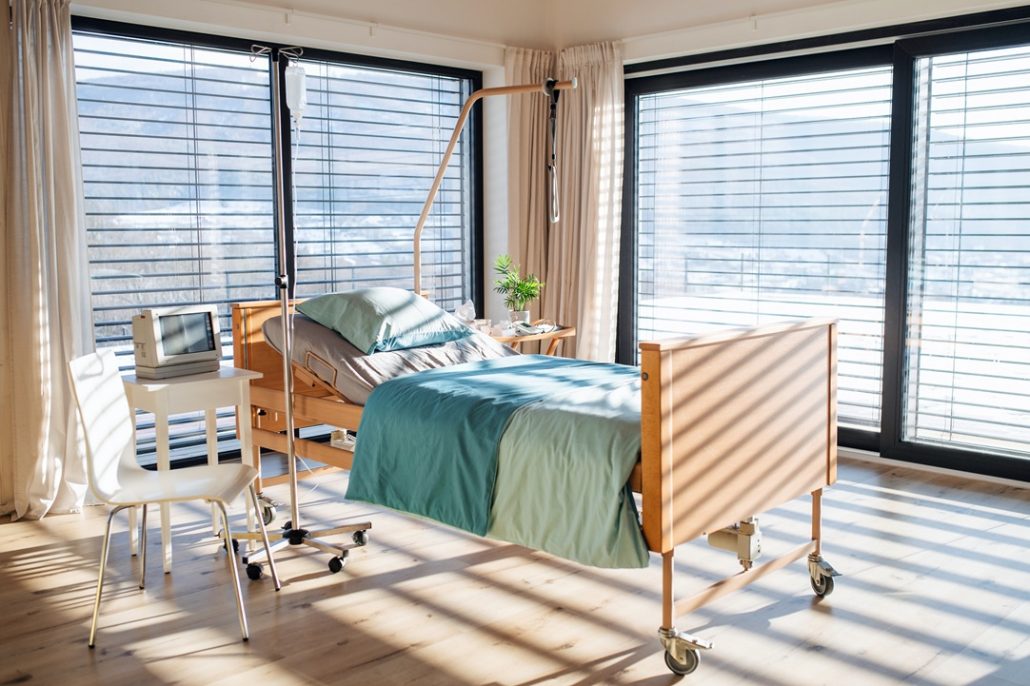
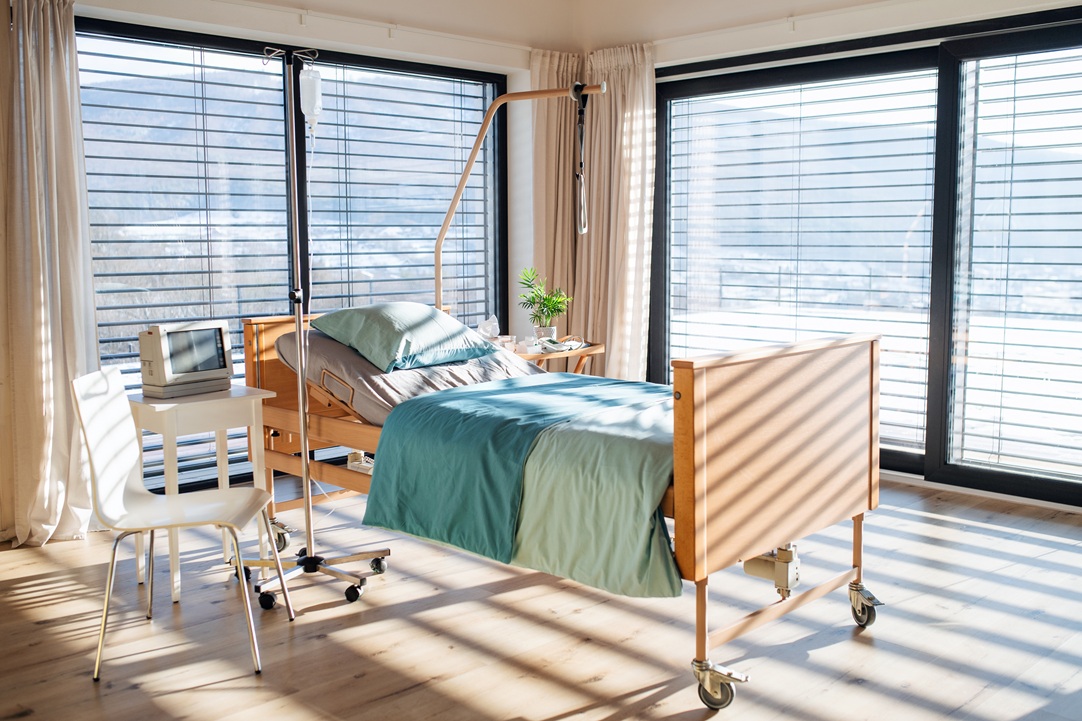
The retail market has recognized this. You can now buy a home hospital bed that is essentially disguised as high end furniture. They come with cherry, mahogany or oak finishes. The mechanisms are hidden. The rails can be tucked away when not in use.
This might seem superficial, but dignity is a massive component of mental health. Restoring a sense of “normalcy” to the home environment can lower anxiety and depression rates for both the patient and the spouse. It helps the home feel like a sanctuary again, rather than a satellite clinic.
Safety is the Ultimate Luxury
In the end, the decision to rent or buy is not just about a spreadsheet. It is about defining the standard of care you want to provide.
Rental beds fill a necessary gap for short term, acute needs. This includes a broken leg, a two week recovery and so on. But for anything longer, or for anyone whose immune system or mobility is compromised, they represent a compromise on safety.
By purchasing a bed, you are taking control. You are controlling the infection risk. You are controlling the technology. You are prioritizing the physical safety of the caregiver and the emotional wellbeing of the patient.
At RightPatient, we believe that accurate identification and data are the bedrock of safety. In the home, you are the system. You are the administrator. And choosing the right infrastructure is the first step in ensuring that your “home hospital” is as safe, effective and loving as it can possibly be.







Leave a Reply
Want to join the discussion?Feel free to contribute!