
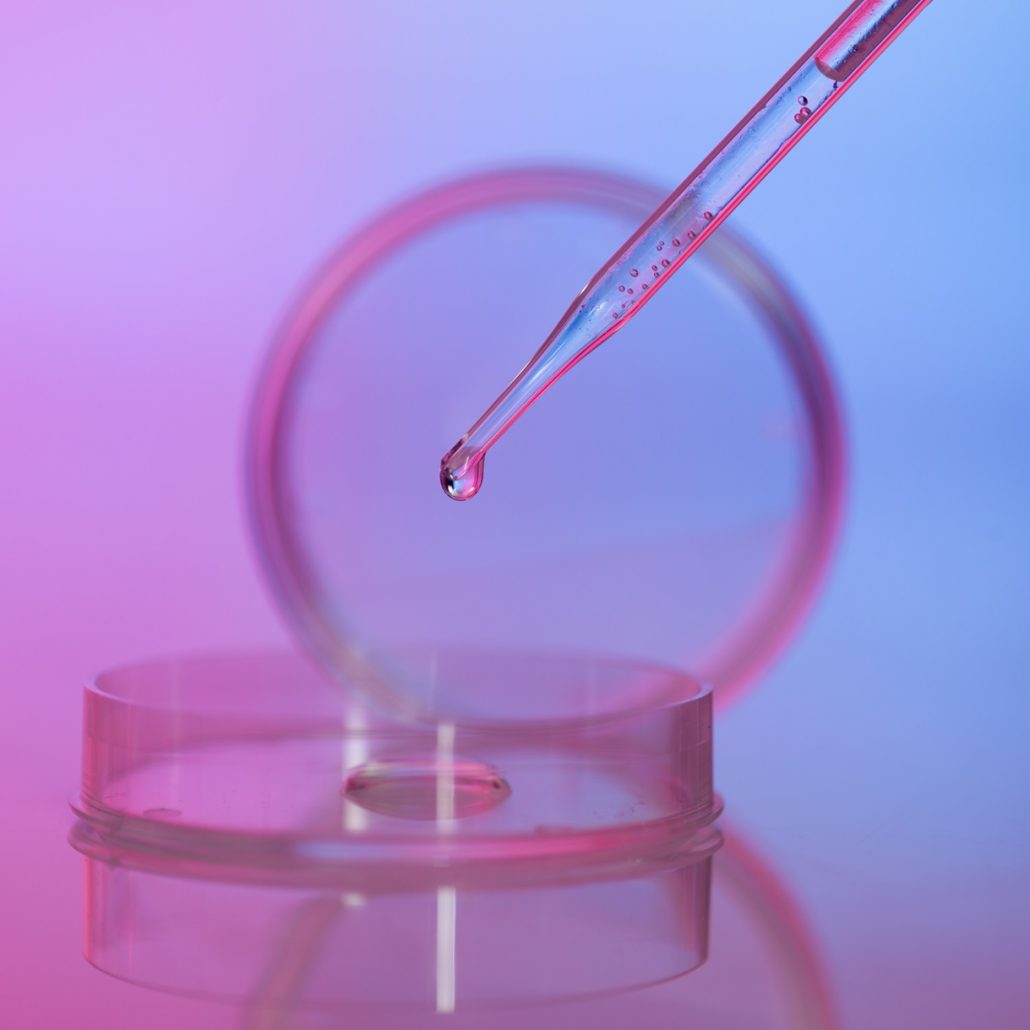
Pasteur Pipette: The Complete Guide to Glass and Disposable Droppers
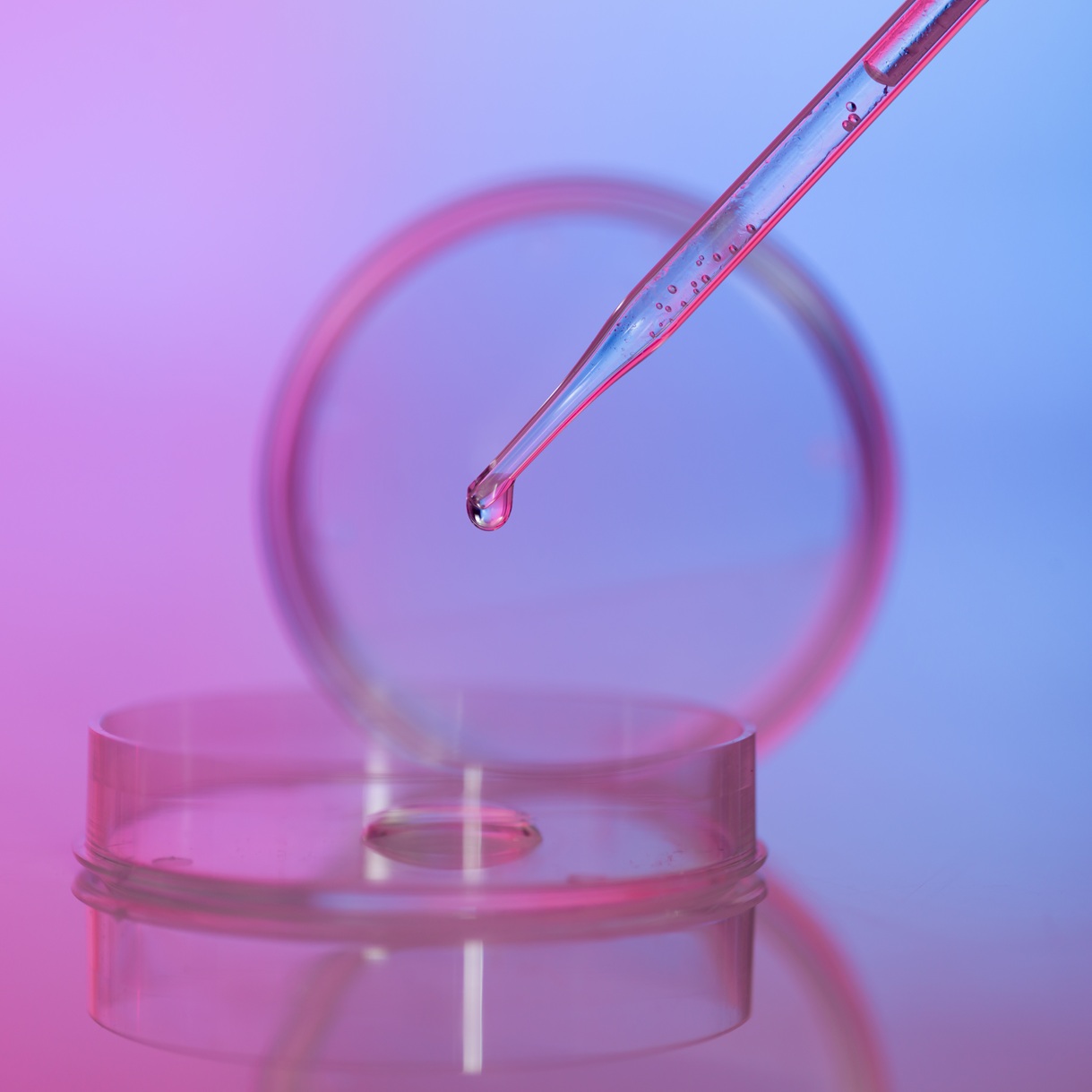
If you’ve ever stepped into a laboratory, you’ve likely encountered one of the most versatile tools in scientific work: the Pasteur pipette. Named after the legendary French microbiologist Louis Pasteur, this simple yet ingenious device has been transferring liquids in labs for over a century. The design emerged during Pasteur’s groundbreaking research on microbiology and fermentation in the late 1800s, when precise liquid transfer was becoming increasingly important for experimental reproducibility and contamination control.
The beauty of the pasteur pipette lies in its simplicity. At its core, it’s just a narrow glass or plastic tube with a bulb at one end, but this basic design has proven indispensable for countless applications. From microbiology to chemistry, from clinical diagnostics to molecular biology, these humble droppers continue to play a crucial role in modern science. Despite technological advances that have introduced sophisticated electronic pipetting systems, the fundamental Pasteur pipette remains irreplaceable for certain applications where its unique characteristics provide advantages that expensive alternatives cannot match.
Glass Pasteur Pipettes – Durability and Chemical Resistance
Glass pasteur pipettes represent the original design that has stood the test of time. These elegant instruments are typically made from borosilicate glass, a material chosen for particular reasons that make it ideal for laboratory applications.
The primary advantage of glass pasteur pipettes is their exceptional chemical resistance. Unlike plastic alternatives, glass doesn’t react with most solvents, acids, or bases. This makes them the go-to choice when working with aggressive chemicals or organic solvents that would degrade plastic materials.
Key benefits of glass Pasteur pipettes include:
- Superior heat resistance – Glass pipettes can be repeatedly autoclaved at high temperatures without degradation. This makes them reusable and cost-effective for laboratories that perform regular sterilization cycles.
- Chemical inertness – They won’t leach chemicals into your samples or absorb substances from the solutions you’re transferring. This is particularly important in sensitive applications, such as spectrophotometry, or when working with precious samples.
- Environmental sustainability – Because they can be cleaned and reused hundreds of times, glass pipettes generate significantly less waste than disposable alternatives.
- Optical clarity – The transparency of glass lets you see exactly what you’re transferring, making it easier to avoid air bubbles and ensure precise liquid handling.
The main drawback? Fragility. Glass pipettes can break when dropped, posing a safety hazard. However, with proper handling and storage, a set of glass pipette tips can last for years.
Sterile Pasteur Pipettes – Essential for Aseptic Technique
When contamination control is paramount, sterile pasteur pipettes become essential. These are pre-sterilized pipettes packaged individually or in small groups, ready for immediate use in applications where maintaining a sterile environment is critical.
Sterile pasteur pipettes are indispensable in microbiology, cell culture, and clinical settings. A single contaminating microorganism introduced through non-sterile equipment could ruin weeks of work or compromise diagnostic results.
These pipettes typically come in two forms:
- Individually wrapped sterile units – Each pipette is sealed in its own package, ensuring sterility until the moment you open it. This is ideal for applications that require the highest level of contamination control, such as inoculating cell cultures or preparing samples for PCR. The individual packaging prevents contamination from repeated opening and closing of containers, and provides visual evidence of package integrity through sealed edges that show obvious signs of tampering or damage.
- Multi-pack sterile sets – Several pipettes packaged together in a sterile container. These are more economical when you need multiple sterile pipettes for a single procedure but still want to minimize environmental contamination risks. For procedures performed within biological safety cabinets where the entire workspace maintains sterility, multi-pack formats reduce packaging waste while maintaining appropriate contamination control throughout the procedure.
Standard sterilization methods include gamma irradiation and ethylene oxide treatment, both of which are effective at killing all microorganisms without damaging the pipettes. When selecting sterile pipettes, consider whether your application requires additional certifications for endotoxin-free or DNA/RNA-free materials.
Plastic Pasteur Pipette – The Disposable Standard
The plastic pasteur pipette has revolutionized laboratory work by offering a convenient, cost-effective alternative to glass. Made primarily from polyethylene or polystyrene, these plastic pipettes have become the standard in many modern laboratories.
What makes plastic pasteur pipette options so popular? The answer lies in their practicality. Unlike glass, they’re virtually unbreakable, which dramatically reduces safety concerns, especially in teaching laboratories or high-throughput environments.
Modern plastic Pasteur pipettes come with several advantages:
- Consistent manufacturing quality – Because they’re produced through injection molding, plastic pipettes have remarkably uniform dimensions and capacities. This consistency can improve reproducibility in experiments compared to hand-drawn glass pipettes.
- Cost-effectiveness for single-use applications – When you factor in the labor costs of washing and sterilizing glass pipettes, disposable plastic versions often make economic sense, particularly for routine procedures.
- Material compatibility – While not as universally resistant as glass, modern plastic pipettes work perfectly well with aqueous solutions, biological samples, and many common reagents.
- Graduated options – Many plastic Pasteur pipettes feature printed graduations, enabling semi-quantitative measurements without additional calibrated tools.
The limitations? Plastic pipettes aren’t suitable for organic solvents and can’t be autoclaved. They may also generate static electricity, which can be problematic when handling small volumes. Static charges attract dust particles and can cause small droplets to adhere to pipette walls rather than dispensing cleanly, while the inability to withstand autoclave temperatures means plastic pipettes cannot be re-sterilized for reuse even if cleaning them were economically viable.
Disposable Pasteur Pipette – Convenience and Contamination Control
The term disposable pasteur pipette encompasses both plastic and pre-sterilized glass options designed for single-use applications. The disposable approach has transformed laboratory workflows by eliminating cross-contamination risks and reducing cleaning time.
Disposable pasteur pipette usage has grown exponentially, driven by several important factors. In clinical laboratories, using a fresh pipette for each sample prevents cross-contamination between patient specimens – critical for accurate results and patient safety.
Consider these scenarios where disposable pipettes are particularly valuable:
- High-throughput screening – When processing hundreds of samples, the time saved by skipping pipette washing can be substantial. Disposables allow laboratory staff to focus on the science rather than equipment maintenance.
- Infectious disease work: When handling potentially infectious materials, disposable pipettes can be safely discarded as biohazardous waste without the risk of cleaning contaminated glassware.
- Quality control and regulatory compliance – In pharmaceutical manufacturing and clinical laboratories subject to GMP or CLIA regulations, using fresh sterile disposables for each test provides clear documentation.
- Field work and remote locations – When working outside traditional laboratory settings, disposables eliminate the need for sterilization equipment and cleaning facilities.
The environmental impact of disposables is a concern, and many laboratories now seek sustainable alternatives or implement recycling programs for plastic laboratory waste.
Glass Pipette Tips – Understanding the Distinction
When discussing glass pipette tips, it’s essential to clarify what we mean by them. Unlike modern micropipettes with removable tips, Pasteur pipettes are typically one-piece instruments. The “tip” refers to the narrow dispensing end, and understanding its design variations is crucial for selecting the right tool.
Different tip styles include:
- Long, fine tips – Ideal for reaching into narrow-necked vessels, such as test tubes or small vials. The extended length allows for precise placement of liquids and careful layering without disturbing underlying solutions. They’re instrumental in organic chemistry and microbiology.
- Short, wide-bore tips – Better suited for viscous solutions or suspensions that might clog a finer tip. These are commonly used when transferring cell cultures or solutions containing particulates. The wider opening reduces shear stress on cells.
- Capillary-drawn tips – These ultra-fine tips are created by heating and pulling glass to create extremely narrow openings. They’re used in specialized applications like microinjection or single-cell isolation.
When working with Pasteur pipettes, the condition of the tip matters significantly. Chips or cracks can affect both accuracy and safety. Always inspect glass pipette tips before use, especially after multiple sterilization cycles.
Whether you choose glass or plastic, sterile or reusable, the pasteur pipette remains an essential tool in the modern laboratory. Understanding the strengths and limitations of each type allows you to select the right instrument for your specific application, ensuring accurate results and optimizing your laboratory workflow. The continued relevance of this century-old design testifies to the principle that elegant simplicity often outperforms complex alternatives, and that fundamental laboratory tools developed through decades of practical refinement continue serving essential functions that sophisticated modern equipment cannot entirely replace.






Leave a Reply
Want to join the discussion?Feel free to contribute!