
Intelligent Scheduling in Busy Labs: How Orchestration Makes It Possible
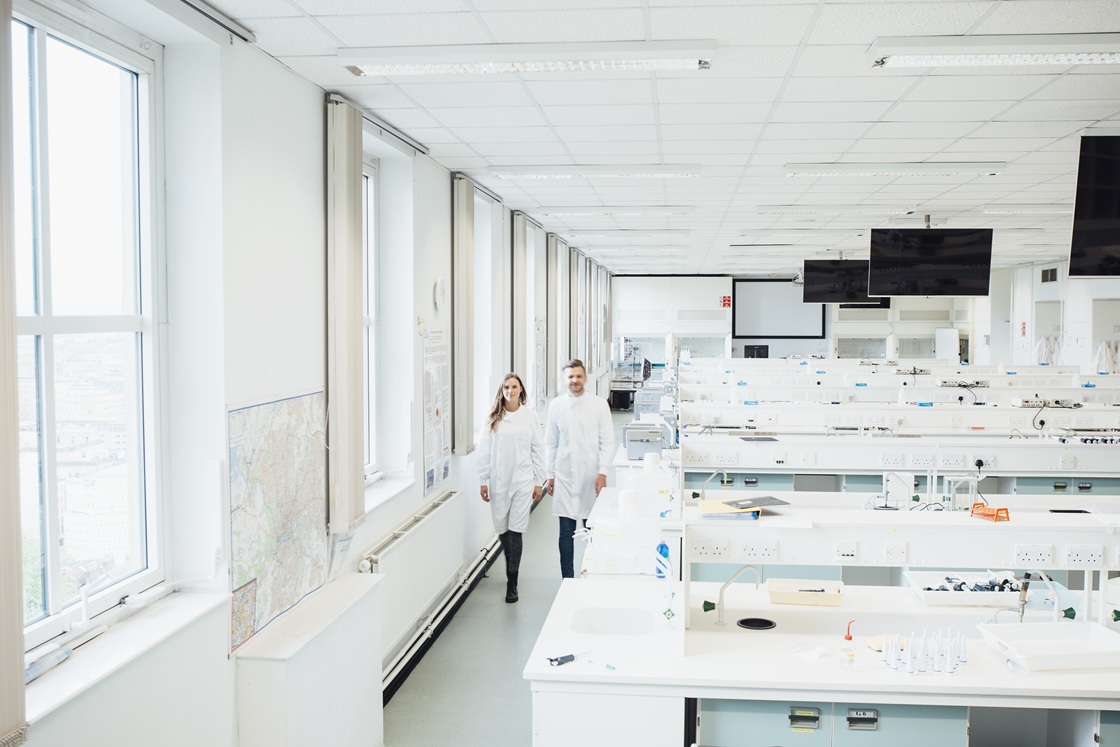
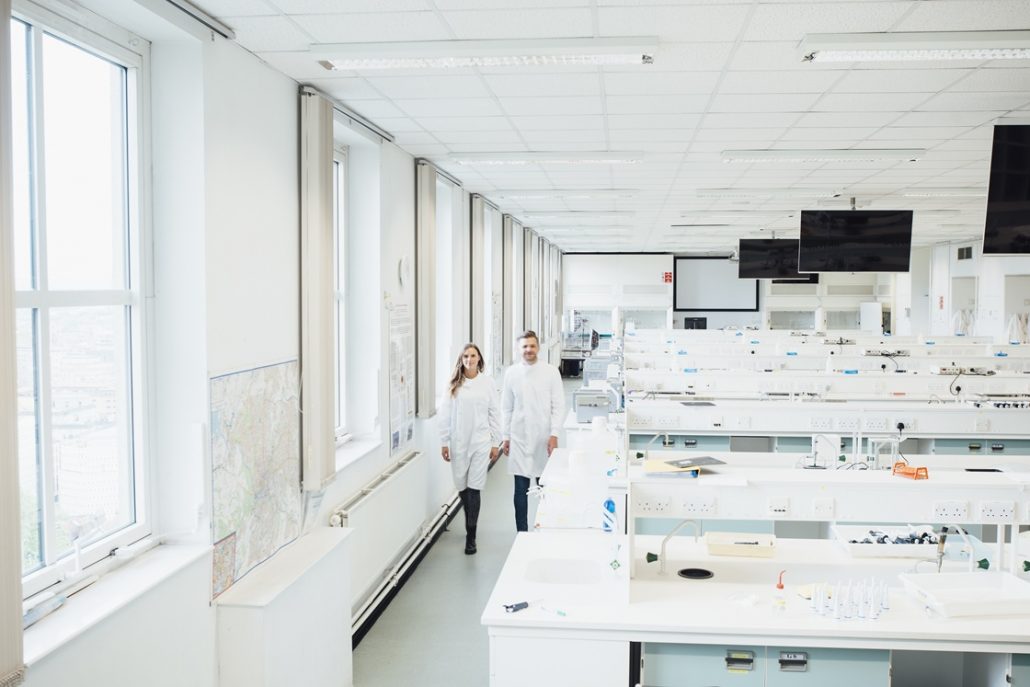
Imagine a busy research lab. Machines hum. Scientists rush. Experiments demand attention. Every day feels like a high-stakes puzzle. Juggling equipment, people, and time becomes a huge challenge. Something always needs fixing. Something else runs late.
This chaos eats into valuable research hours. It slows down discovery. There must be a better way to manage this complex dance. The answer is not just working harder. It is about working smarter with a clever digital helper.
Beyond the Basic Calendar
Traditional lab calendars are not enough. They show bookings. They do not show context. Scheduling a sensitive spectrometer seems simple. But what about the sample preparation time beforehand? What about the cleaning protocol after? A person might block three hours on a shared device. They may only use it for two. That wasted hour could help another project.
Manual schedules miss these hidden connections. They create silent gaps and bottlenecks. This is where smart technology changes everything. Cutting-edge lab orchestration software acts like a central nervous system. It sees the entire lab’s rhythm.
The Magic of Linking Tasks
Intelligent scheduling understands dependencies. Think of it as a master recipe. Step B cannot start before Step A finishes. A cell culture needs precise incubation before analysis. A piece of equipment requires calibration after maintenance. Good software knows these rules. It weaves them into the schedule automatically.
A researcher books a key instrument. The system instantly reserves the preparatory workstations they will need earlier. It blocks the necessary cleanup time after. This linked thinking prevents costly domino-effect delays. It ensures every part of an experiment flows smoothly into the next.
Predicting Problems Before They Happen
A great system does not just react. It looks ahead. It uses historical data to make smart guesses. Maybe the DNA sequencer often needs a service call every eighty runs. The software tracks this. It can prompt preventive maintenance before a critical failure. It learns that certain assays always take longer in the afternoon. It factors that into its time estimates.
This predictive power turns managers into forecasters. They can see resource conflicts next week. They can solve them today. This stops small issues from becoming major roadblocks.
Giving Time Back to Scientists
The biggest win is focus. Scientists train for years to solve big problems. They should not waste mental energy on administrative puzzles. Constant scheduling conflicts are a distraction. They break deep concentration. Automated orchestration removes that burden.
A researcher can request a workflow. The system finds the optimal path and time. It sends a clear notification. The scientist then thinks about science, not logistics. This reclaims hours every week. It boosts both morale and productivity. Happy, focused researchers do their best work.
Smarter Use of Every Tool
Labs have major equipment investments. An idle machine is wasted money. Intelligent scheduling maximizes this valuable asset use. It finds every possible slot for operation. It can even suggest off-peak hours for lengthy, non-urgent jobs.
The software provides clear data on usage patterns. Managers can see which instruments are in high demand. This informs future purchasing decisions. Perhaps the lab needs another centrifuge, not a new shaker. Data-driven insights lead to smarter spending. They ensure the right tools are always available.
Building a Transparent Lab Culture
Clarity reduces friction. A shared, intelligent schedule creates a single source of truth. Everyone sees the same plan. This transparency builds trust among team members. It is clear why a certain instrument is booked. It is obvious when a workstation will be free.
Disputes over access become rare. Collaboration becomes easier. Teams can align their projects around shared resources efficiently. This open environment fosters better communication. It turns a group of individual researchers into a truly coordinated unit.
The Future of Lab Efficiency
This is just the beginning. Imagine software that connects with freezer sensors. It could schedule defrost cycles during planned downtime. Future systems might sync with inventory databases. They could delay an experiment automatically if a crucial reagent is low.
The goal is a fully responsive lab environment. Intelligent orchestration is the key to that future. It transforms chaos into a symphony of productivity. It lets brilliant minds focus on what they do best: discovery. The lab of tomorrow is not just stocked with better gear. It is powered by smarter, invisible coordination.






Leave a Reply
Want to join the discussion?Feel free to contribute!